Select your language
 ID
ID 


Program Activities
Basic Training on Sphere & CHS
YSI
Hits: 2
2 minutes read
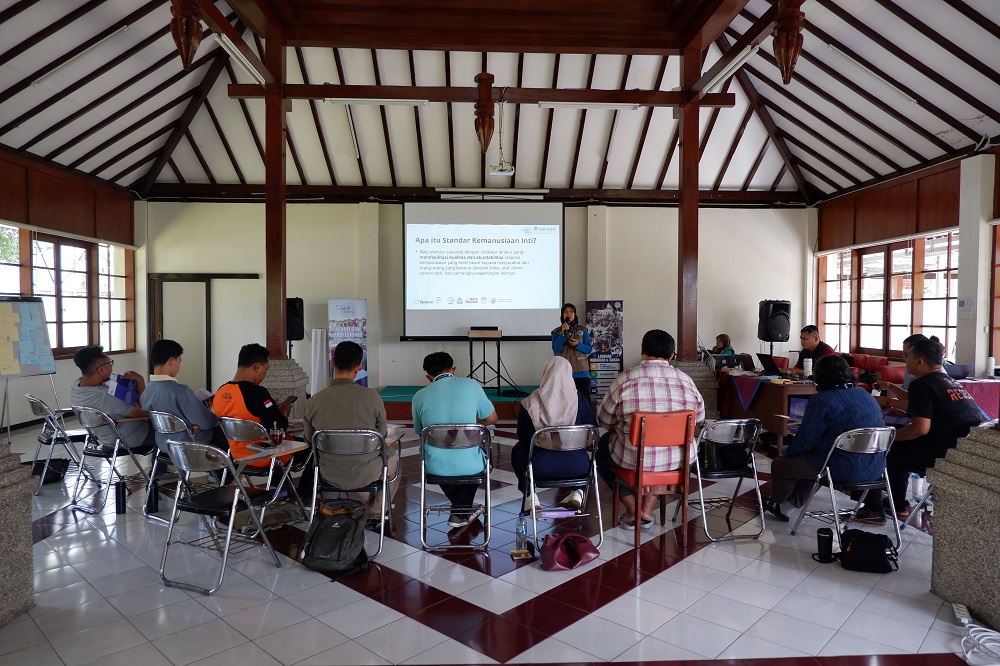
Yayasan SHEEP Indonesia (YSI), together with five partner organizations as Peer Humanitarian Partners (PHP) of the ToGETHER Mentoring Program, organized a Basic Training on Sphere and the Core Humanitarian Standard (CHS) using a Training of Trainers (ToT) approach on August 19–22, 2025. The five partner organizations were GKJW Synod, Yayasan Cappa Keadilan Ekologi, Yayasan Yaphi, Yayasan Jaga Balai, and Mitra Wacana Association. The training took place at the GKJW Synod Office Complex in Malang.
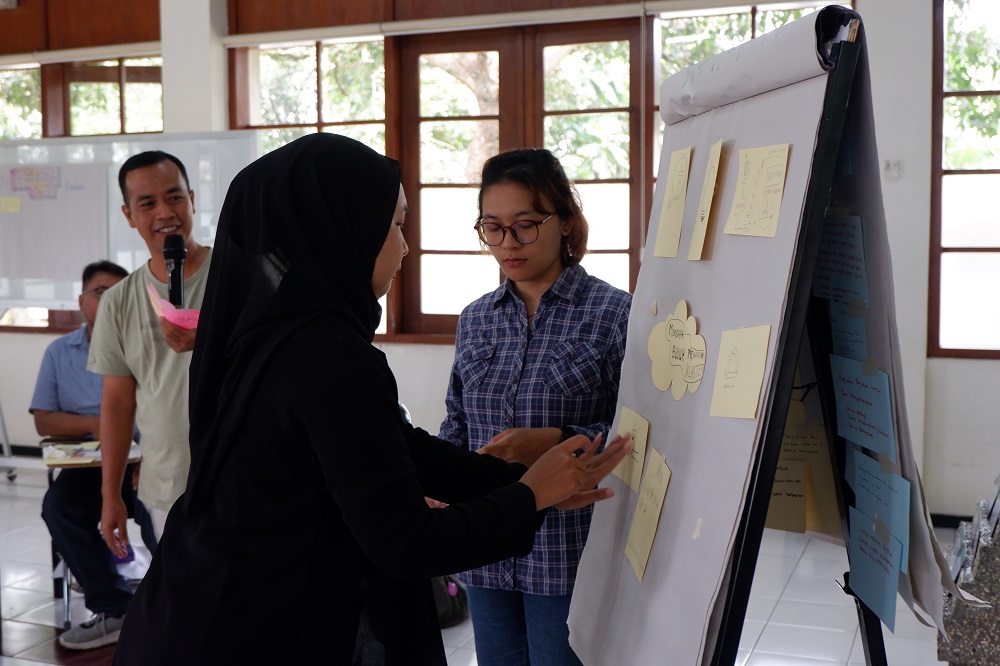
This training was especially meaningful as it coincided with World Humanitarian Day 2025, reaffirming the collective commitment to humanitarian values. At the beginning of the program, participants were facilitated to understand, internalize, and later transfer knowledge about international humanitarian principles and standards. All partners agreed that Sphere and CHS strengthen both organizational and individual capacity in delivering humanitarian response.
“This training is designed to enhance the knowledge and skills of PHP representatives regarding internationally recognized minimum standards and commitments in humanitarian response. By doing so, they will be able to transfer this knowledge within their organizations and integrate it into the implementation of humanitarian response programs,” said Tri Sulistyowati, Focal Point of the ToGETHER Program.
The training emphasized the importance of applying the minimum humanitarian standards as outlined in the Sphere Handbook and the accountability commitments of the Core Humanitarian Standard (CHS). Both instruments serve as international references to ensure humanitarian responses are of high quality, accountable, and centered on human dignity.
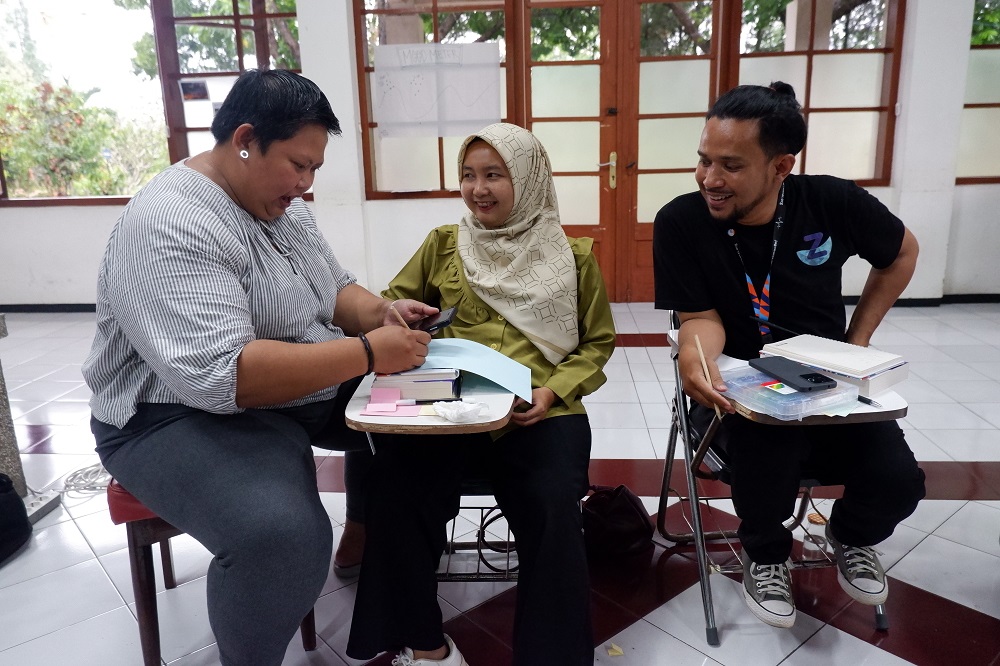
The series of sessions began with conceptual understanding of Sphere and CHS standards, followed by group discussions, case studies, and micro-teaching. These approaches enabled participants not only to understand the standards but also to apply and disseminate them within their own communities and networks.
“Disasters may not be a new issue, but engaging in this field was new to me. I gained a lot of knowledge during these four days, especially about how to prepare facilitation processes. Previously, in disaster response we only provided what we had, but now I realize there are many essential steps—from coordination to ensuring adherence to minimum standards in humanitarian response,” said Edi from Cappa Keadilan Ekologi.
Through this collaboration, YSI and its five partners reaffirmed their commitment to continue transferring knowledge to other humanitarian networks through similar initiatives.