Select your language
 ID
ID 


Program Activities
SHEEP Indonesia Supports UGM SpKKLP Residents in Community Empowerment Practice
YSI
Hits: 2
2 minutes read
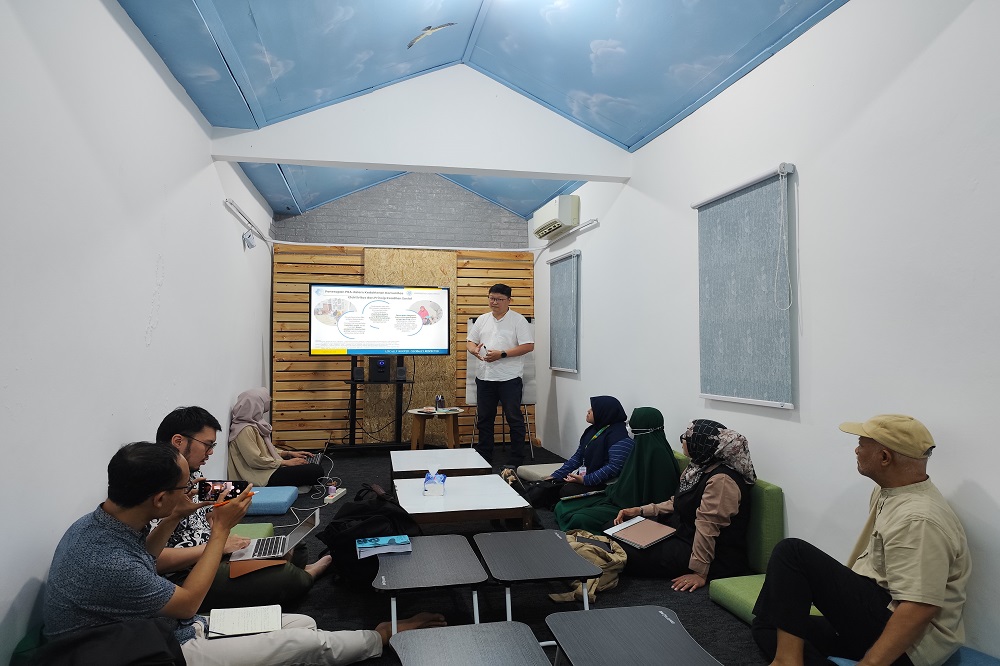
On 4, 6, and 14 November 2025, the Family Medicine and Primary Care Residency Program of Universitas Gadjah Mada partnered with SHEEP Indonesia Foundation to conduct community empowerment practice. The activities formed part of the residents’ field-based learning to strengthen their ability to identify public health problems and design community-based interventions.
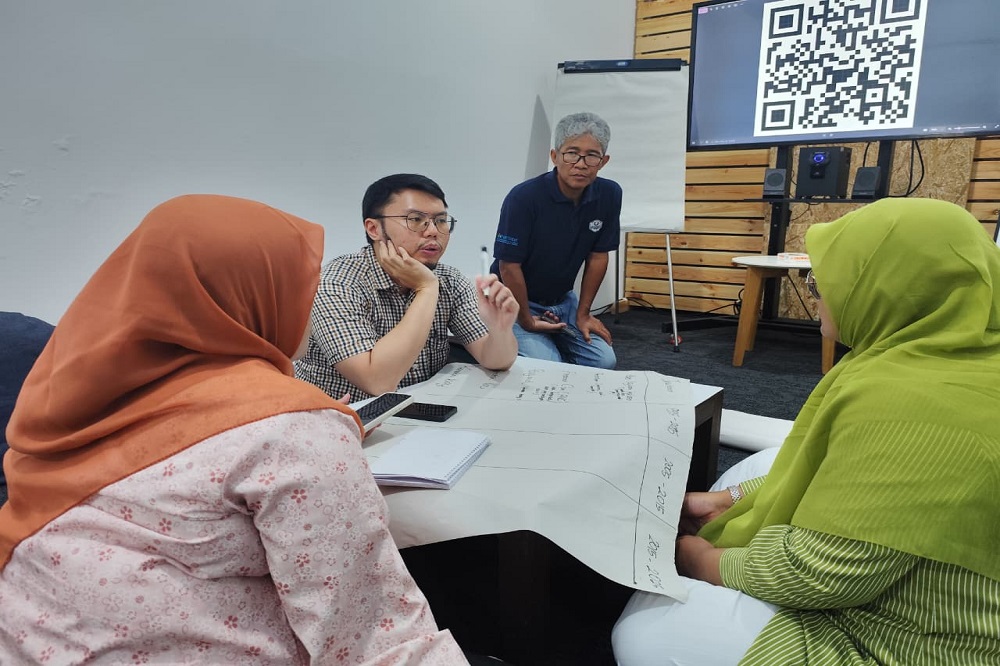
The program opened with a briefing session at the YSI Office on 4 November. The residents received training on social and public health data collection methods, including interviews, surveys, and Focus Group Discussions using a Participatory Rural Appraisal approach. Kristina from YSI introduced six PRA tools such as seasonal calendars, trend analysis, community mapping, and Venn diagrams.
The residents studied the concepts and practiced applying the PRA tools. Kristina emphasized the importance of selecting appropriate methods to determine priority issues and develop community empowerment plans that reflect local conditions. Based on the initial profile of Padukuhan Kebur Lor and class discussions, the residents chose to focus on two tools. They selected trend analysis and community mapping for their fieldwork.
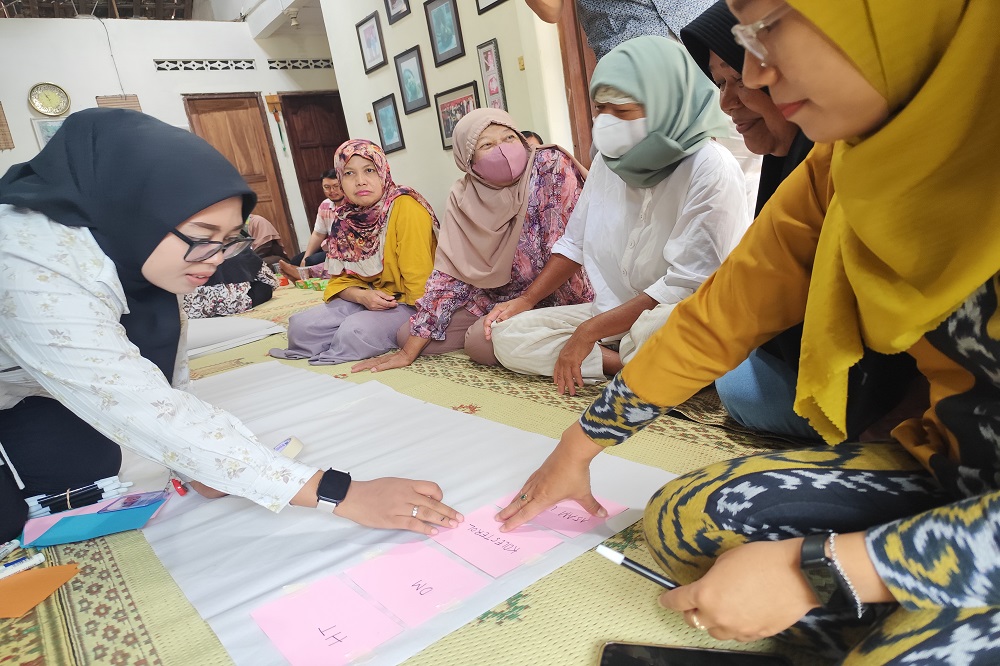
The field practice took place on 6 November in Padukuhan Kebur Lor, Argomulyo. The residents engaged with ten community members, including neighborhood leaders, a village midwife, posyandu cadres, and hospital health workers. They held a Focus Group Discussion to identify health concerns and risk factors such as hygiene practices, access to clean water, and awareness of noncommunicable diseases. The conversation was active and produced new insights. Andre, one of the residents, noted that field findings differed from initial assumptions because the four neighborhood units showed varied hygiene practices and levels of access to health services.
The series of activities concluded with a presentation on 14 November 2025. The session generated notes and follow-up plans that strengthened the residents’ understanding of the medical community approach. Participants were encouraged to clarify boundaries between public health and medical community work, particularly related to promotion, prevention, and treatment. Discussions highlighted the need for medical-based data, community entry strategies, empathetic communication, and clearer distinctions between normative and comparative needs.
At the end of the program, Dr. Yogi, the supervising lecturer, stated that the experience deepened the residents’ understanding of social determinants of health and the comprehensive application of community-oriented medical practice. The residents also learned how to position themselves as facilitators of change through dialogue and collaboration.