Select your language
 ID
ID 


Program Activities
Consolidating Civil Society Organizations Amid a Global Crisis
YSI
Hits: 6
2 minutes read
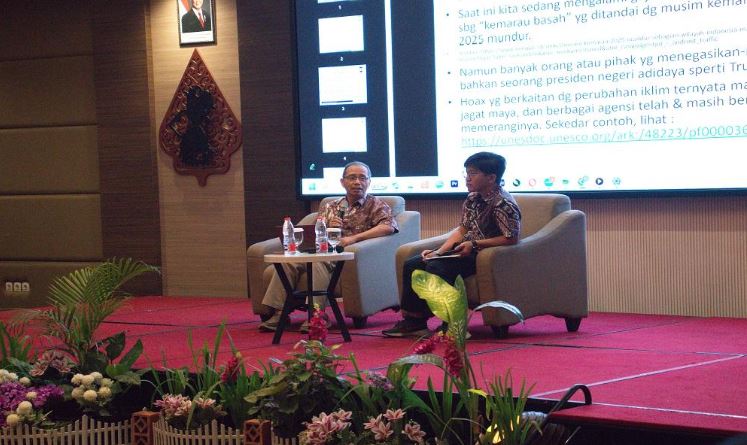
Yayasan SHEEP Indonesia (YSI) organized a Civil Society Organization (CSO) Capacity Strengthening Workshop as part of the Leadership for Change (LFC) program. Held over two days (June 23–24), the workshop served as a shared learning space to reinforce the role of CSOs in responding to five global issues: poverty and food crises, climate change, violence and resource-based conflict, the empowerment of women's rights, and digital transformation.
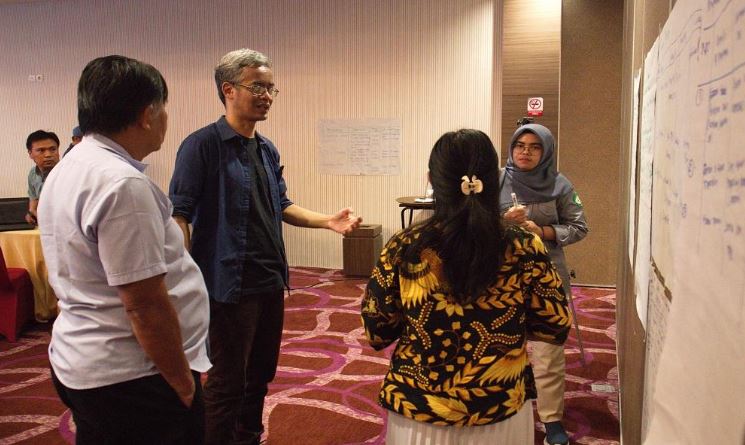
The workshop opened with a reflection from Andreas Subiyono, Executive Director of YSI, who emphasized that the Leadership for Change program was born out of concern for the declining competitiveness of CSOs—particularly in terms of human resource sustainability and transformative leadership. “CSOs are often strong because of individuals, not systems. We must build organizations that endure not because of prominent figures, but because of their values and structures,” Andreas stated during the opening session. He stressed the importance of shifting the power—a redistribution of power from global donor institutions to local CSOs through capacity building, consolidation, and self-reliance.
Deepening the discussion on the five global issues, Professor Suharko from Gadjah Mada University highlighted that the food crisis is not merely an issue of supply but also one of injustice in distribution and dependence on imports. “Food sovereignty will remain a distant dream unless we strengthen local resilience. NGOs must be present not only as movers but also as watchdogs of policy,” he asserted. The discussion extended to digital transformation, guided by Elanto Wijoyono, who emphasized that technology is not just a tool but a new field of power. “Whoever controls the data, controls the narrative. CSOs must master the technology—not just use it.”
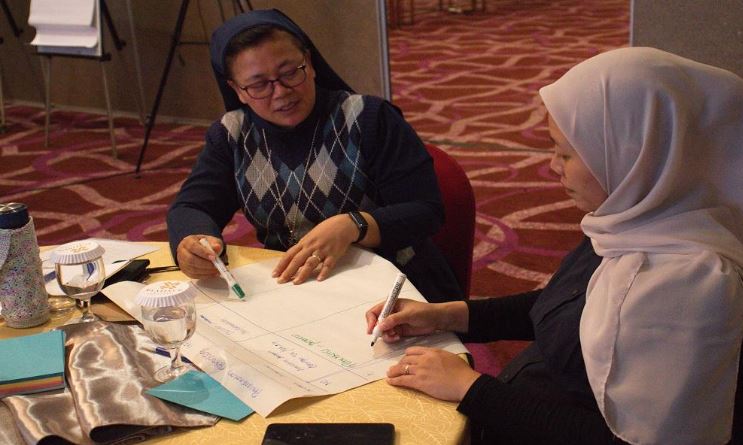
The second day of the workshop became a space for reevaluating organizational structures and direction. In group discussions, each CSO presented their organizational strengths, challenges, and opportunities for collaboration. The discussions revealed a significant need to integrate advocacy efforts, human resource development, and technology utilization in a collective manner. As the main outcome, participants developed Follow-Up Action Plans (RTL) for strengthening the capacity and consolidation of their respective organizations.
Rina Wijaya, Coordinator of KPOMS YSI, closed the workshop with a hopeful message: “This program is not the end, but a stepping stone. We hope that Leadership for Change becomes a strong and strategic space for regeneration among CSOs in Indonesia.”