Select your language
 ID
ID 


Program Activities
Landscape-Based Area Mapping to Support Economic, Health, and Climate Resilience Improvement in the Santong Area Block
YSI
Hits: 4
2 minutes read
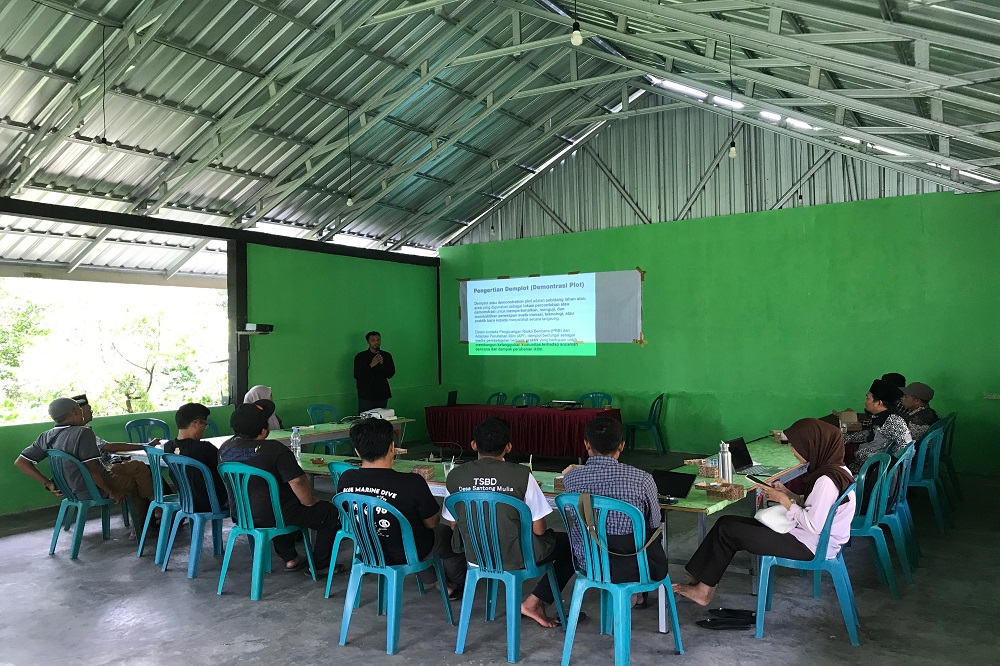
Yayasan SHEEP Indonesia Lombok Region, together with the community in the Santong Area Block, conducted a Landscape-Based Area Mapping activity on Monday, October 21, 2025. The activity involved 15 participants, including representatives from Village Disaster Preparedness Teams (TSBD), Forest Farmer Groups (KTH), Posyandu Cadres, Village Water Management (PAMDes), and Irrigation Water User Associations (P3A) from eight partner villages. Representatives from CSOs such as Walhi NTB and the Rinjani Barat Forest Management Unit (KPH) Resort Santong-Sidutan also attended.
The Landscape-Based Area Mapping supports integrated planning for natural resource management, community economic development, and village climate resilience. The activity produced a new thematic map that presents land cover conditions, water source distribution, disaster-prone zones, and priority areas for vegetation rehabilitation. During the process, participants identified and updated resource and hazard maps previously developed during the DRR and CCA ToT activities.
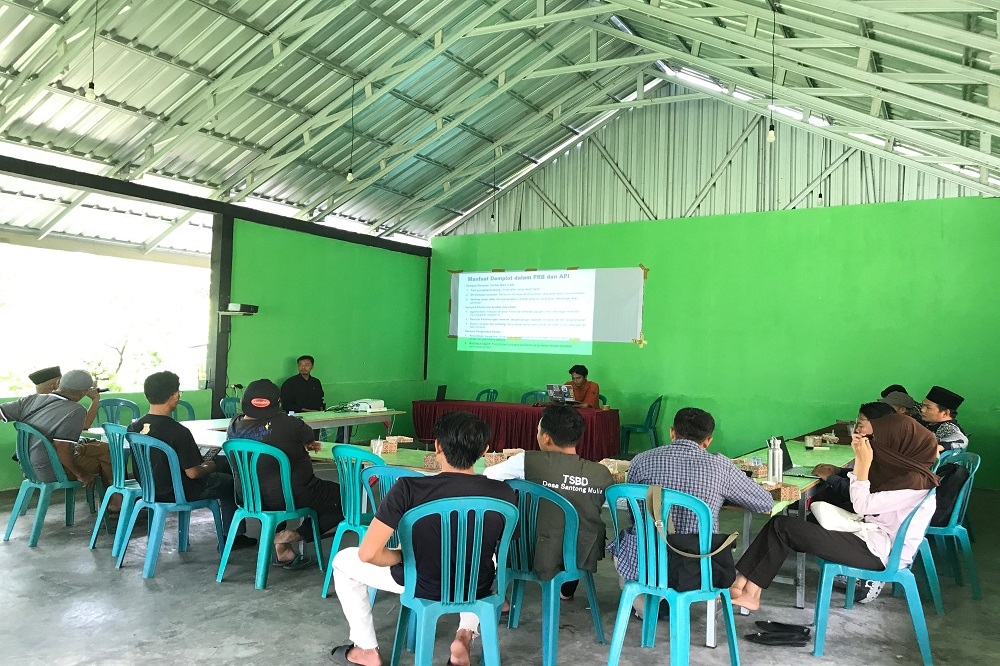
According to Fauzi, Lombok Area Manager, the mapping results show that many forest areas around water springs have been converted from production forests into gardens or farmlands planted with bananas and horticultural crops. This change has reduced the water infiltration zones.
“In recent years, we’ve seen a decrease in water discharge. During the rainy season, raw water also becomes muddy. This proves that the loss of vegetation has reduced natural infiltration and filtration areas,” said Mahfuz, a representative of PAMDes Santong.
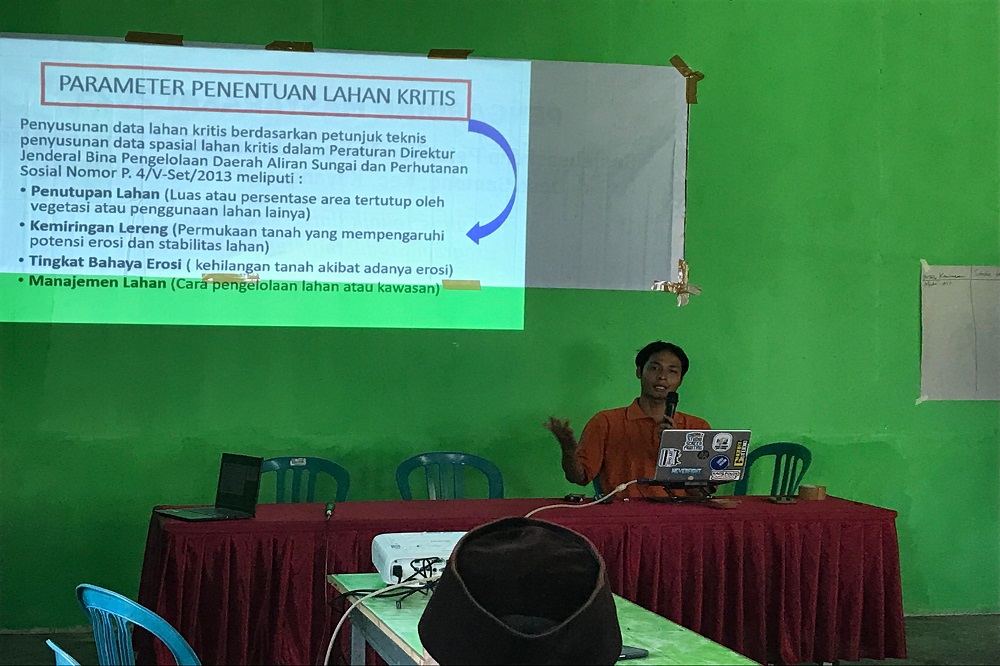
The results of this activity serve as the basis for developing a forest area demonstration plot focused on water source protection and sustainable land management. The demo plot is expected to become a model of good practice for other villages to maintain ecosystem balance while improving community economy and health through the utilization of non-timber forest products and strengthening community-based clean water management systems.