Select your language
 ID
ID 


Program Activities
Strengthening the Strategy for the Second Year of the KIPHA and SSRLFSC Projects
YSI
Hits: 2
3 minutes read
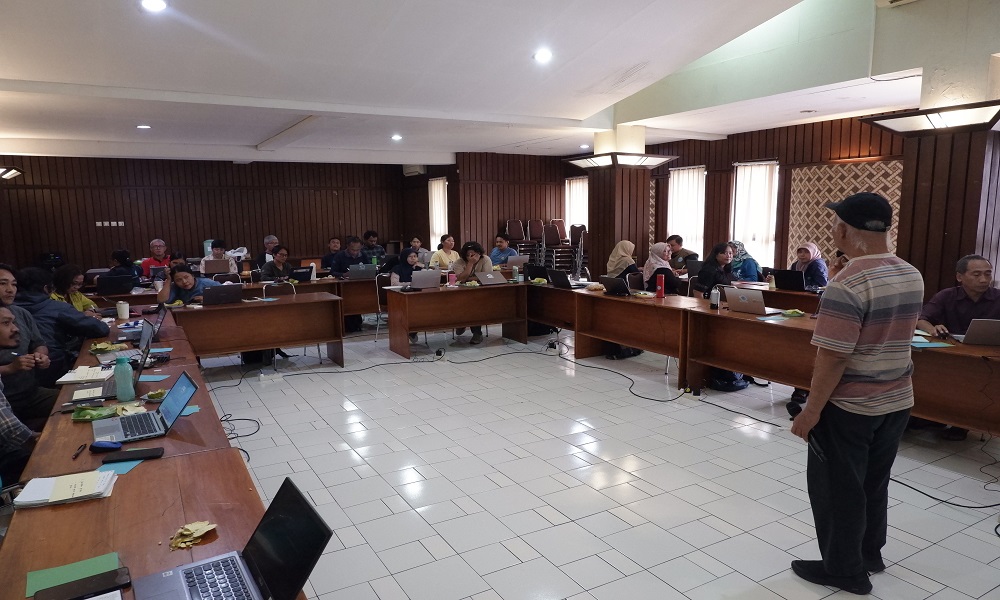
The KIPHA Project (Climate Justice for the Protection of Children's Rights) and the SSRLFSC Project (Independent and Sustainable Local Food Systems) once again utilized a workshop as a space for critical reflection—to review the achievements, challenges, and lessons learned from the implementation of the projects. The three-day workshop took place from July 7–9, 2025, and was facilitated by Andreas Subiyono and Wahyu Wibisono as moderators. It was attended by 30 project staff from SSRLFSC (Mentawai, Kupang, and Sabu Raijua), KIPHA project staff, and representatives from the commissions and bureaus of the SHEEP Indonesia Foundation (YSI).
The first session began with a refresher on the concepts of climate justice and food sovereignty. Andreas Subiyono invited all participants to align their understanding of these fundamental principles before moving on to program evaluation. This shared understanding was deemed essential to ensure that the discussions were grounded in the same set of values and to facilitate the formulation of subsequent strategies.
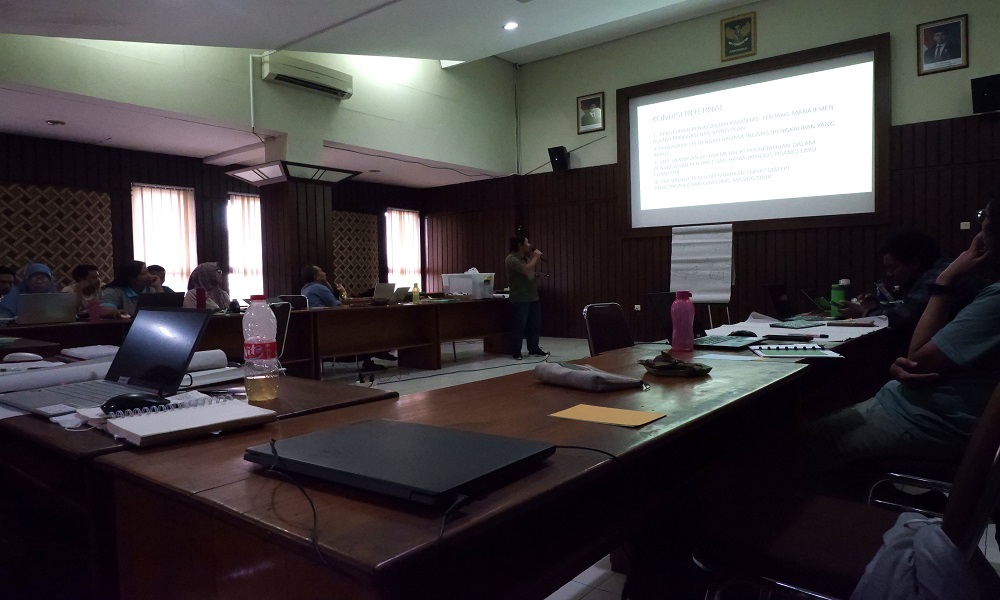
Following the introduction, representatives from each region presented their achievements and program implementation dynamics during the first year. They identified strategies and approaches that had proven effective, as well as acknowledged methods or activities that were less successful. For instance, SSRLFSC Mentawai demonstrated success in establishing collaborations with various local CSOs such as ICM to strengthen local food protection advocacy efforts with the regional government and in structuring role distribution within the project. Meanwhile, the KIPHA project successfully conducted climate literacy workshops in 12 schools, facilitated student research on climate justice, and organized a climate change expedition that encouraged the active participation of students and teachers.
In addition to the successes, several challenges were encountered in project implementation. For example, none of the four regions had yet developed a robust production house system, and banana pest issues in Siberut discouraged communities from replanting.
The next session focused on designing the concept and direction of activities for the second year. Wahyu Wibisono emphasized that the implementation strategy for the second year should take into account the effectiveness of previous approaches and strengthen the necessary supporting systems—particularly the production houses for SSRLFSC and public campaign initiatives for KIPHA.
On the second day, participants worked in regional groups to develop their second-year work plans. These plans were crafted with input from facilitators and cross-functional teams. The discussions were conducted collaboratively using a participatory approach that emphasized the importance of planning based on mapping regional challenges and potential, as well as analyzing the value chains in each area.
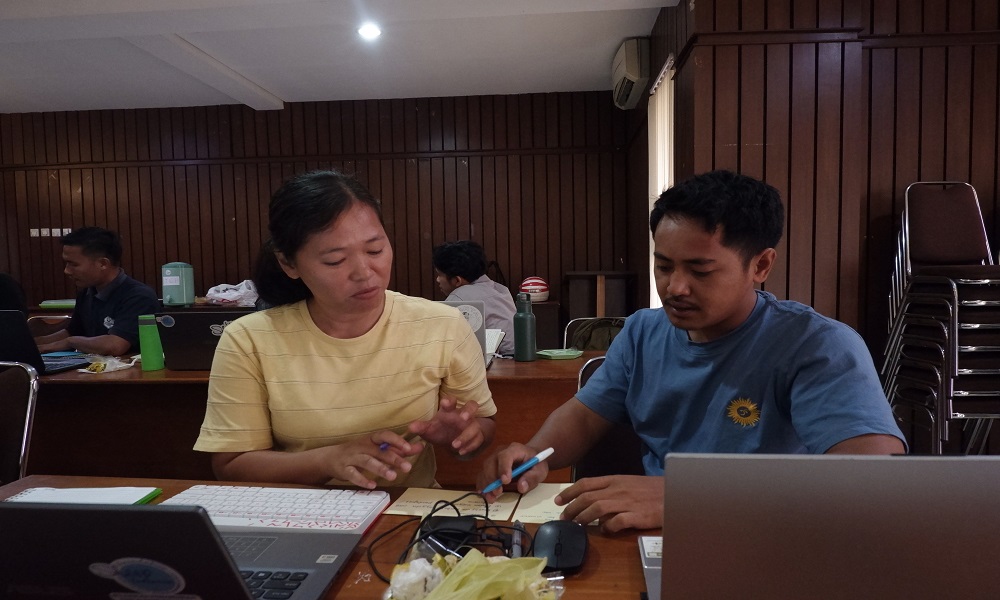
The workshop concluded with presentations from each region and the finalization of the second-year work plans. These finalized plans will serve as a reference for project implementation and will be approved by the Board of the SHEEP Indonesia Foundation. “Effectiveness is not just about the strategies implemented, but about what changes and who changes. This second year is about deepening the impact and expanding our influence,” Andreas remarked in his closing statement of the workshop.